
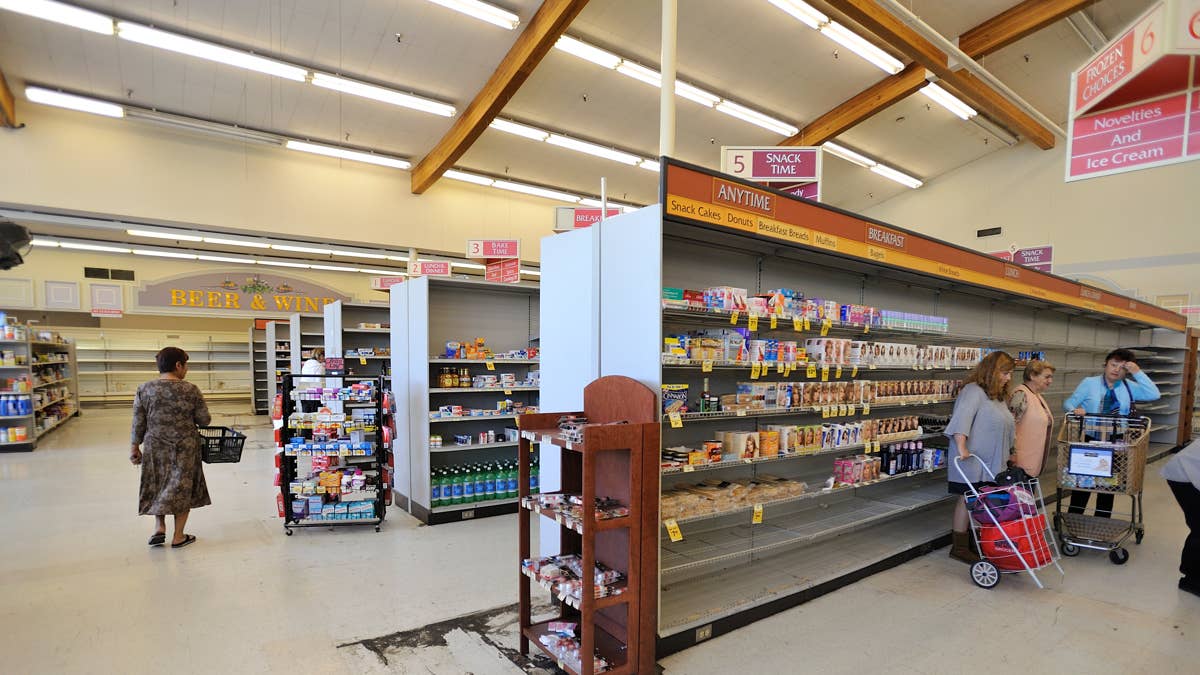
A grocery store chain is closing several locations across multiple markets as supermarket operators continue reassessing their store networks to improve long-term profitability.
The move comes as grocery retailers across the U.S. balance rising operating costs, changing consumer habits, and growing competition from discount chains and online grocery services.
Founded in 1928 in Tyler, Texas, Brookshire Grocery Company operates more than 200 stores across Texas, Louisiana, Arkansas, and Oklahoma under the Brookshire’s, Super 1 Foods, Spring Market, FRESH by Brookshire’s, Reasor’s, and FRESH by Reasor’s banners.
Brookshire Grocery closes four stores
Brookshire Grocery Company will close four stores across Louisiana and Arkansas on July 24, 2026, following what it described as a comprehensive review of store performance, market conditions, and long-term sustainability, according to a company announcement.
The affected stores are:
- Brookshire’s in Ashdown, Arkansas
- Brookshire’s in Rayville, Louisiana
- Brookshire’s in Winnfield, Louisiana
- Spring Market in Grambling, Louisiana
“This was not a decision we made lightly,” said Brookshire Grocery Interim CEO Jerry LeClair in a statement. “We are grateful for the communities we have served and appreciate the loyalty of our customers and the dedication of our partners in each of these locations. Although these four stores are closing, we are committed to being strong neighbors.”
The company said the closures are part of its ongoing evaluation of its store network. They also represent one of Brookshire Grocery’s largest rounds of store closures this year as it continues reviewing the long-term viability of individual locations.
Brookshire Grocery did not disclose how many employees will be affected by the shutdowns, though the company said all workers have been offered transfers to nearby stores.
Despite the closures, Louisiana and Arkansas remain key markets for Brookshire Grocery. According to ScrapeHero, Louisiana accounts for approximately 24% of the company’s stores, while Arkansas represents about 8%, making them two of the retailer’s largest operating markets.
Why Brookshire Grocery is closing locations
The latest closures follow the April 2026 shutdown of a Brookshire’s store at 8503 Dollarway Rd in White Hall, Arkansas.
However, the closures do not signal a broader retreat from the region. During the same month, Brookshire Grocery reopened three newly remodeled stores in northwest Louisiana across its Brookshire’s and Super 1 Foods banners, underscoring its strategy of investing in stronger-performing locations while exiting stores that no longer align with its long-term business goals.
“These remodels reflect our ongoing commitment to investing in our stores, our employee-partners and the communities we serve,” said LeClair in a company announcement. “We are proud to continue enhancing the shopping experience for our customers”
Rather than signaling widespread reductions, Brookshire Grocery’s recent closures and store investments suggest the company is reallocating capital toward markets where it expects stronger long-term returns. That approach has become increasingly common across the grocery industry as retailers prioritize profitability and operational efficiency over maintaining large store footprints.
In recent years, Brookshire Grocery has continued opening new locations and renovating existing stores across Louisiana and Texas, reinforcing those states as priority markets for future investment.
Jeff Gritchen/Digital First Media/Orange County Register via Getty Images
Grocery retailers continue adjusting to industry pressures
Brookshire Grocery’s decision reflects a broader shift across the U.S. grocery industry, where retailers are increasingly optimizing store portfolios instead of pursuing expansion for its own sake.
Higher labor costs, transportation expenses, persistent inflation, supply chain challenges, and intensified competition from discount retailers and online grocery services have prompted many supermarket operators to concentrate investment in markets with stronger long-term demand while closing lower-performing locations.
According to Coresight Research’s U.S. Store Tracker 2026 Outlook, retailers are projected to close approximately 7,900 stores in 2026 and open roughly 5,500 locations.
The forecast highlights continued realignment across the retail industry as companies adapt to market pressures.
Here’s some of my previous coverage of store closures:
- Grocery chain resumes store closures after monthslong pause
- Grocery chain closes final 2 stores in key market
- Longtime grocery chain closes stores, exits key markets
For customers who rely on the affected Brookshire Grocery locations, the closures may reduce nearby grocery options beginning July 24.
More broadly, the company’s latest move reflects a continued shift across the supermarket industry, where regional chains are becoming increasingly selective about where they invest.
As operating costs remain elevated and competition increases, retailers are expected to continue refining their physical footprints by reinvesting in higher-performing markets while exiting locations that no longer support future growth strategies.